33 living tree types · 35 register categories
Tree types and locations
Counts and streets come directly from the inventory. Open a tree type to see its addresses, arborist findings, and individual records.
 species reference photo
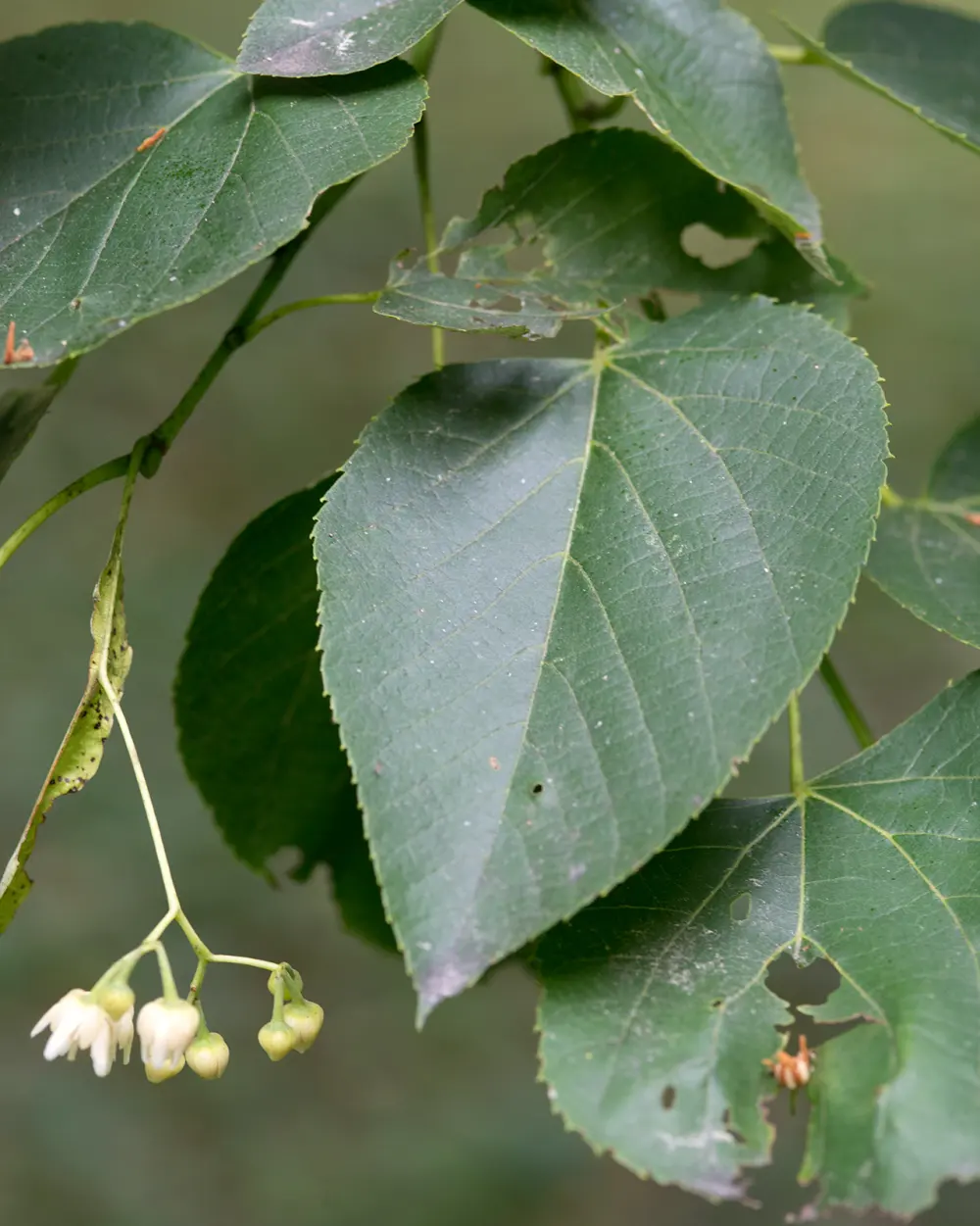
American Linden
4A large deciduous shade tree known for heart-shaped leaves and fragrant early-summer flowers.
Blackshire, Nottingham, W 11th
Preventative work is the most common status
 species reference photo
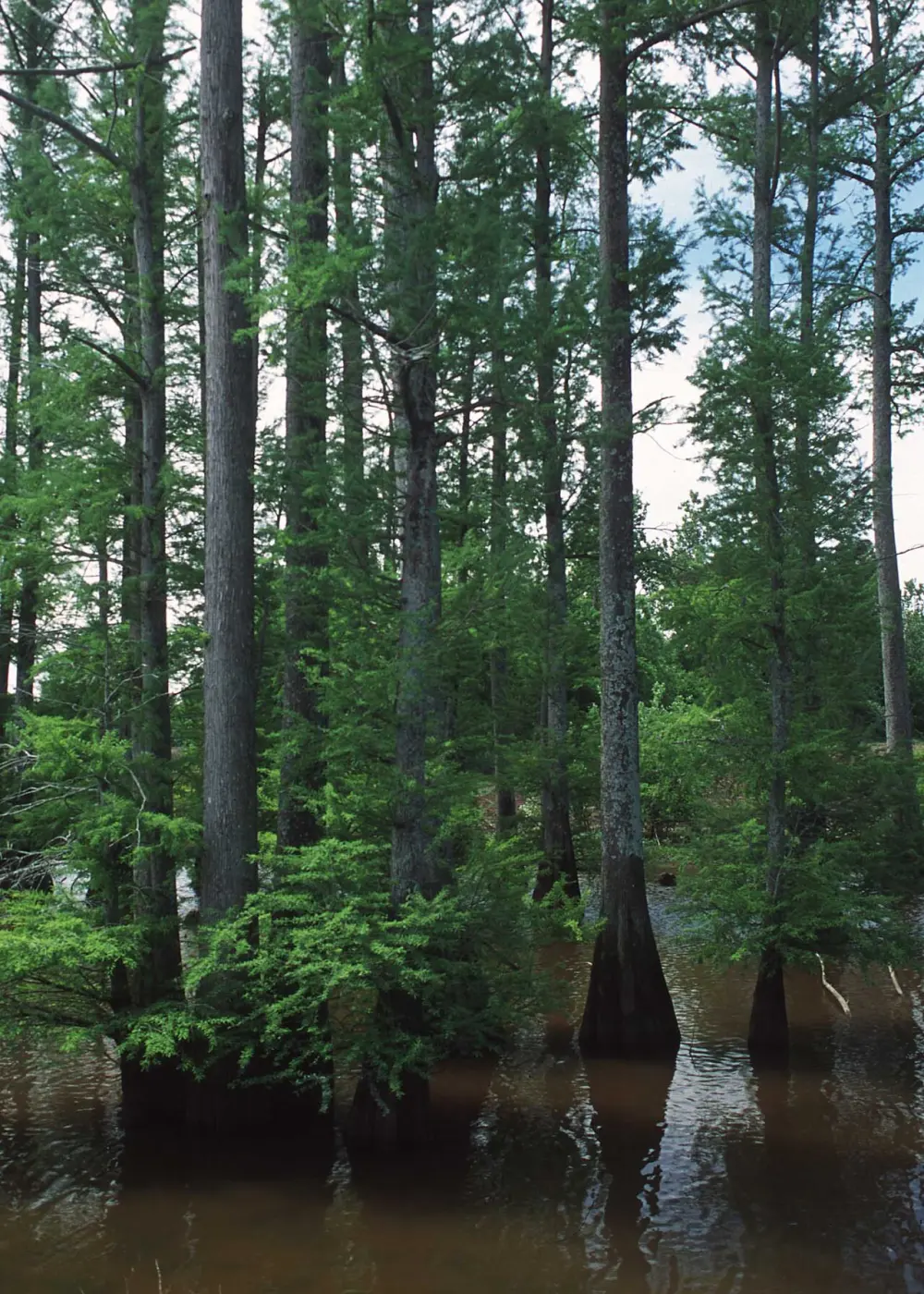
Bald Cypress
2A long-lived deciduous conifer that drops its soft needles in autumn and tolerates wet ground.
W 11th
Priority work is the most common status
 species reference photo
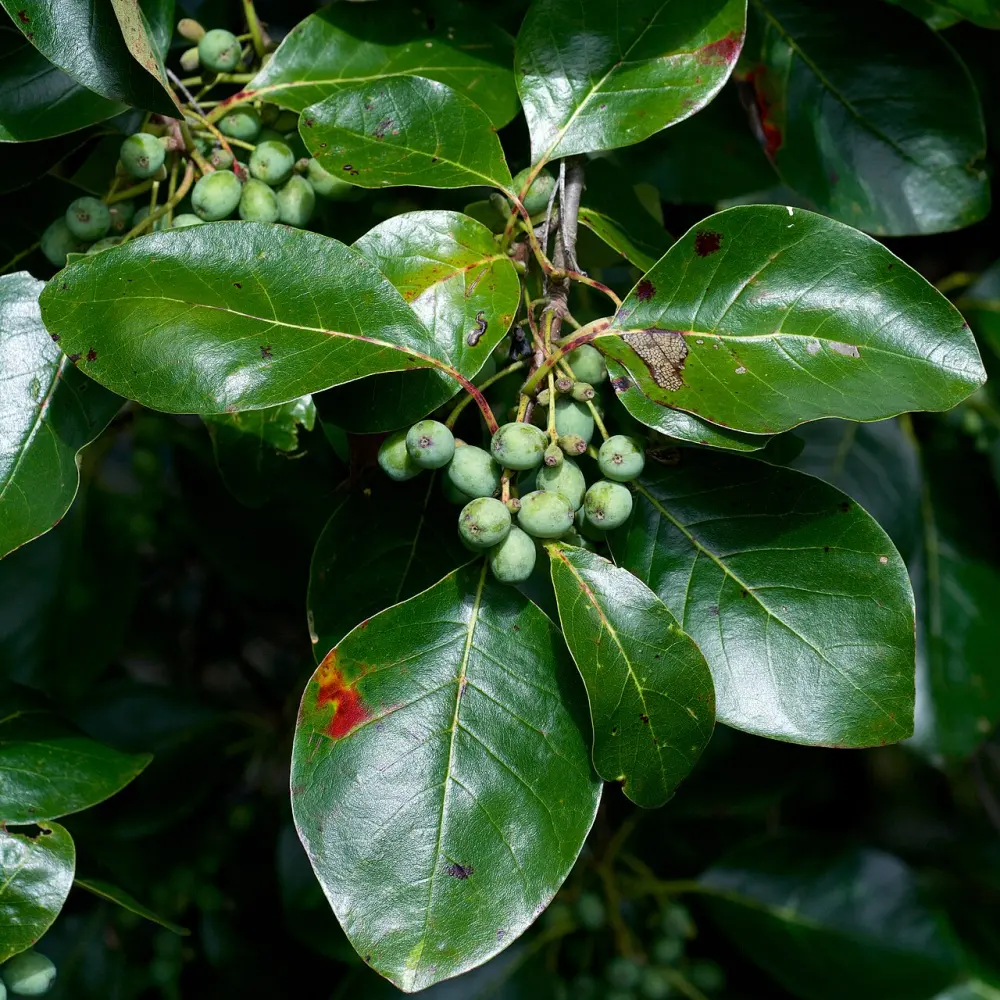
Black Gum
6A native canopy tree valued for glossy foliage, vivid fall color, and fruit used by wildlife.
Blackshire, Nottingham, Seymoure, W 11th
Routine maintenance is the most common status
 species reference photo
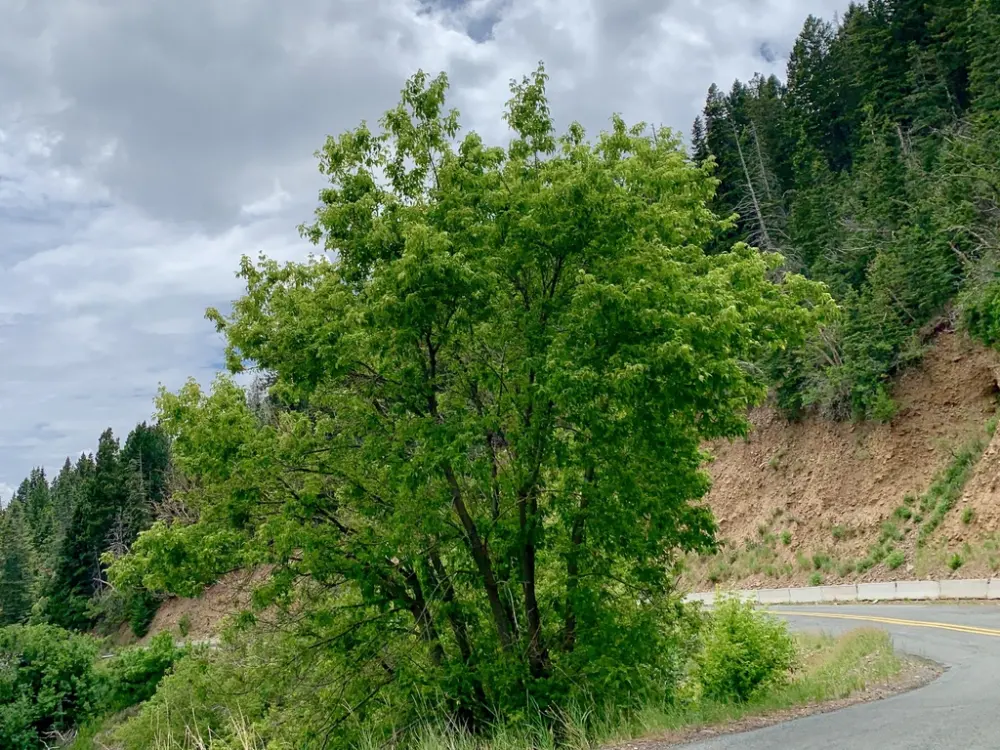
Boxelder
1A fast-growing member of the maple family that readily colonizes disturbed and moist sites.
Nottingham
Preventative work is the most common status
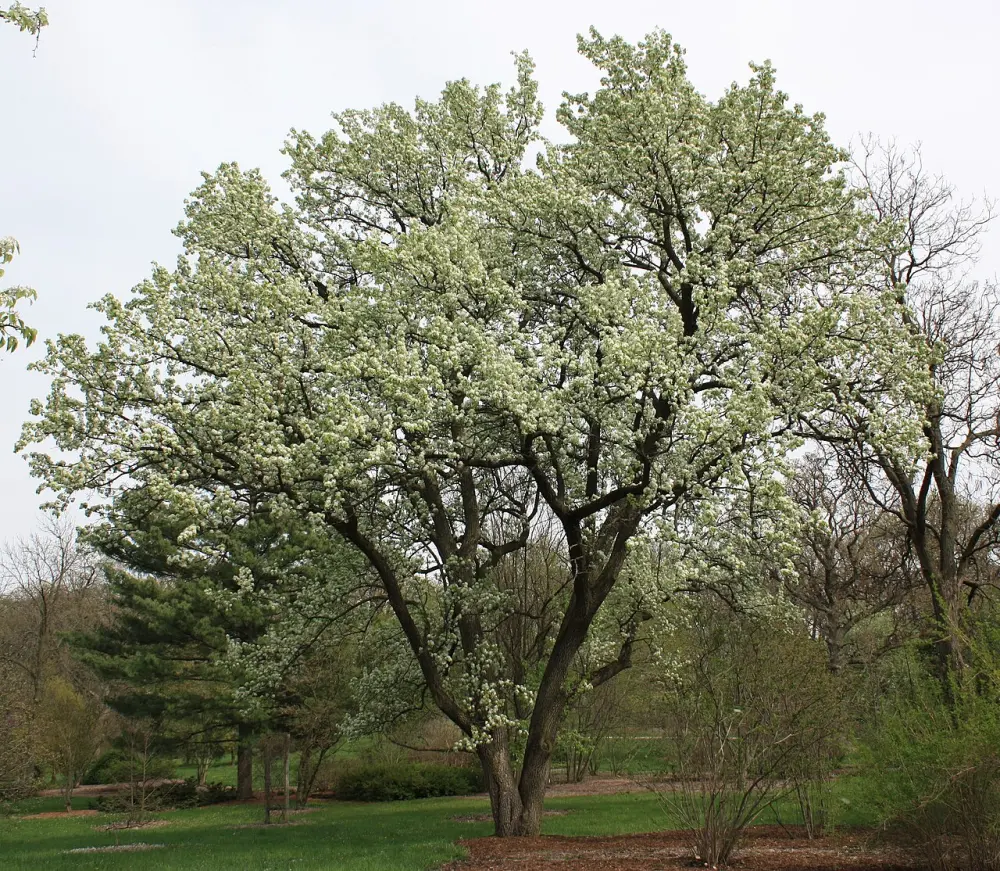 species reference photo
Bradford Pear
14A widely planted ornamental pear now recognized for weak branch unions and invasive spread.
Blackshire, Coverdale, Seymoure
No work prescribed is the most common status
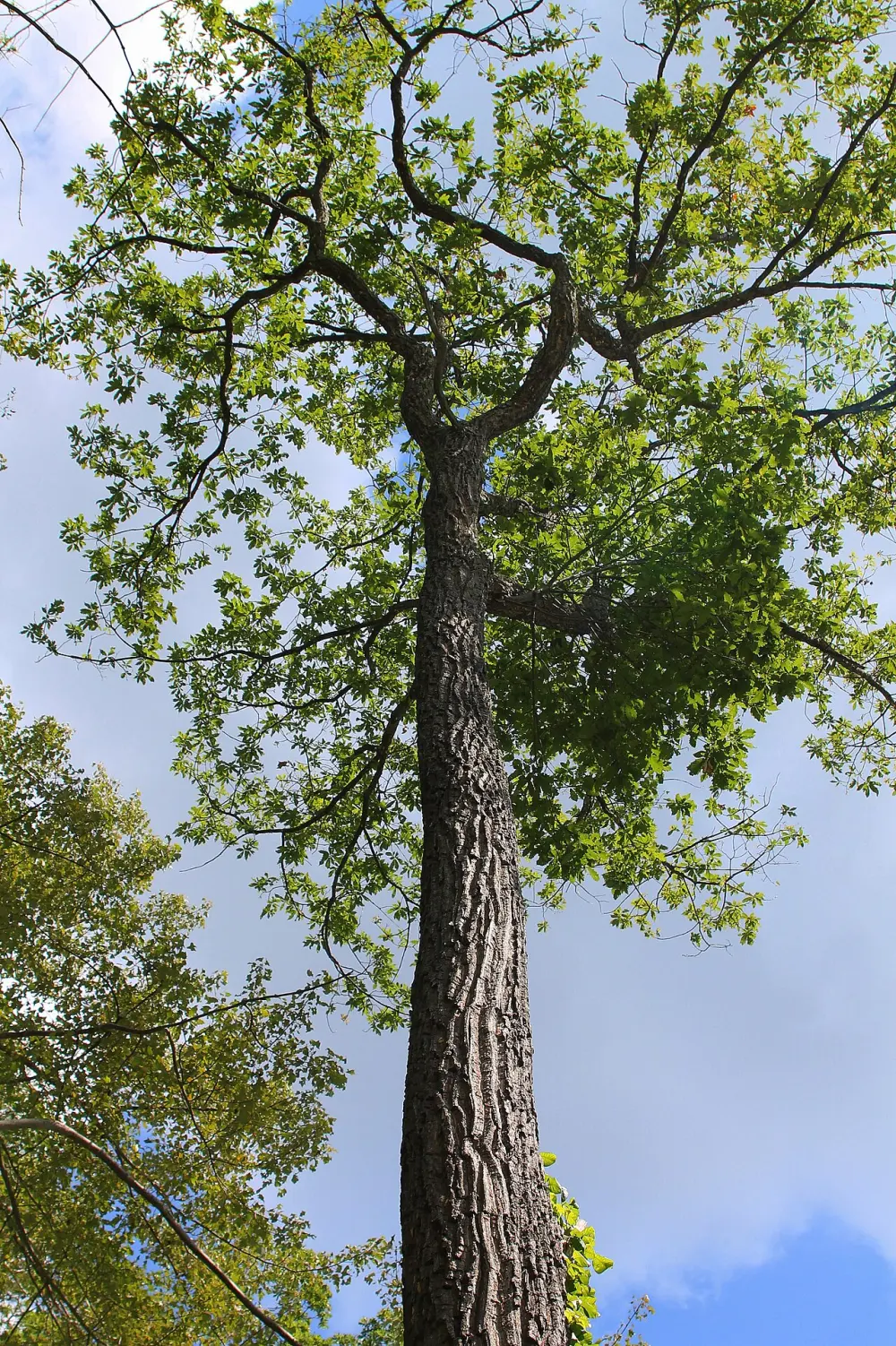 species reference photo
Chestnut Oak
1A native white-oak-group tree with deeply ridged bark and rounded leaf lobes.
W 11th
No work prescribed is the most common status
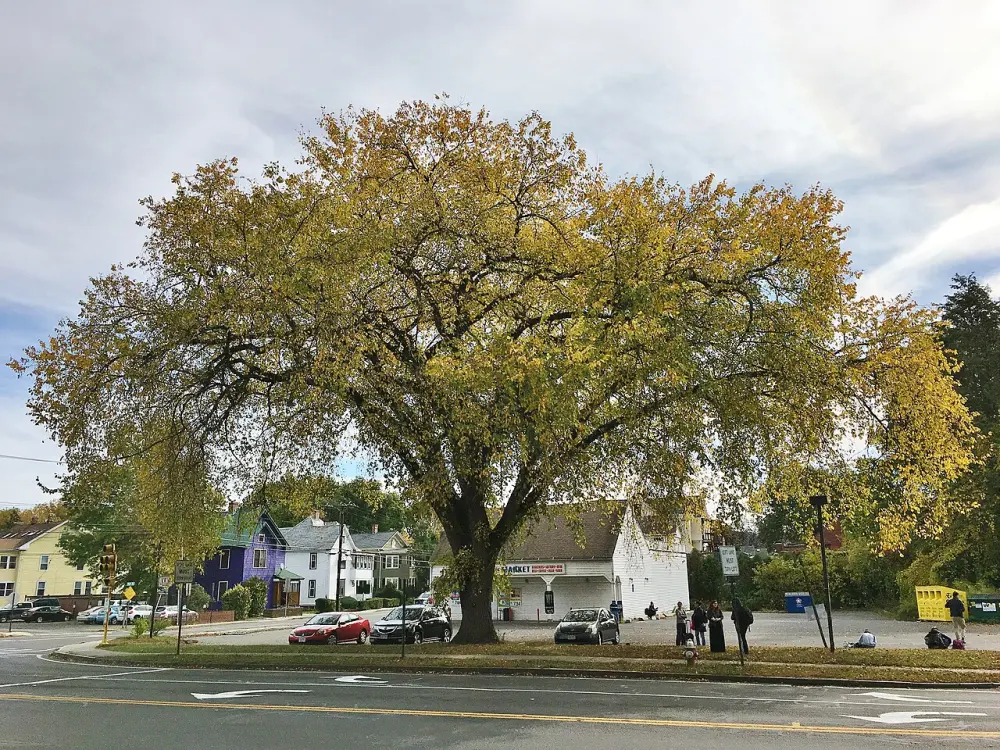 species reference photo
Elm
3A vase-shaped shade tree group historically important to American streets and parks.
Nottingham
Priority work is the most common status
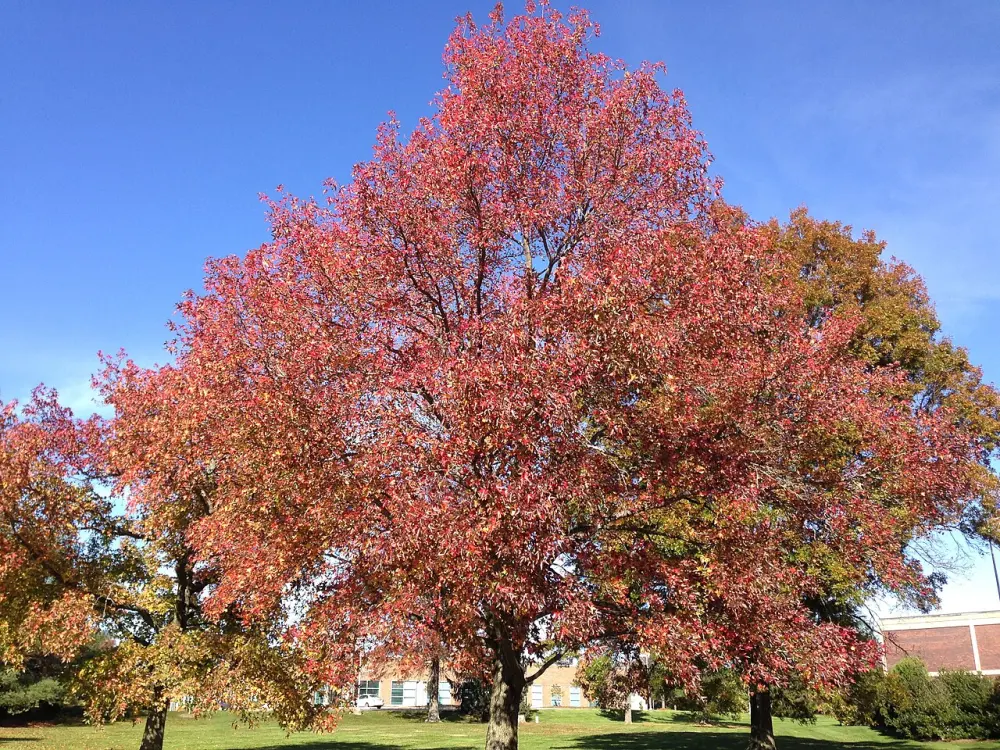 species reference photo
Fastigeous Sweetgum
1A narrow-growing form of sweetgum selected where upright structure is useful in constrained spaces.
Coverdale
Preventative work is the most common status
 species reference photo
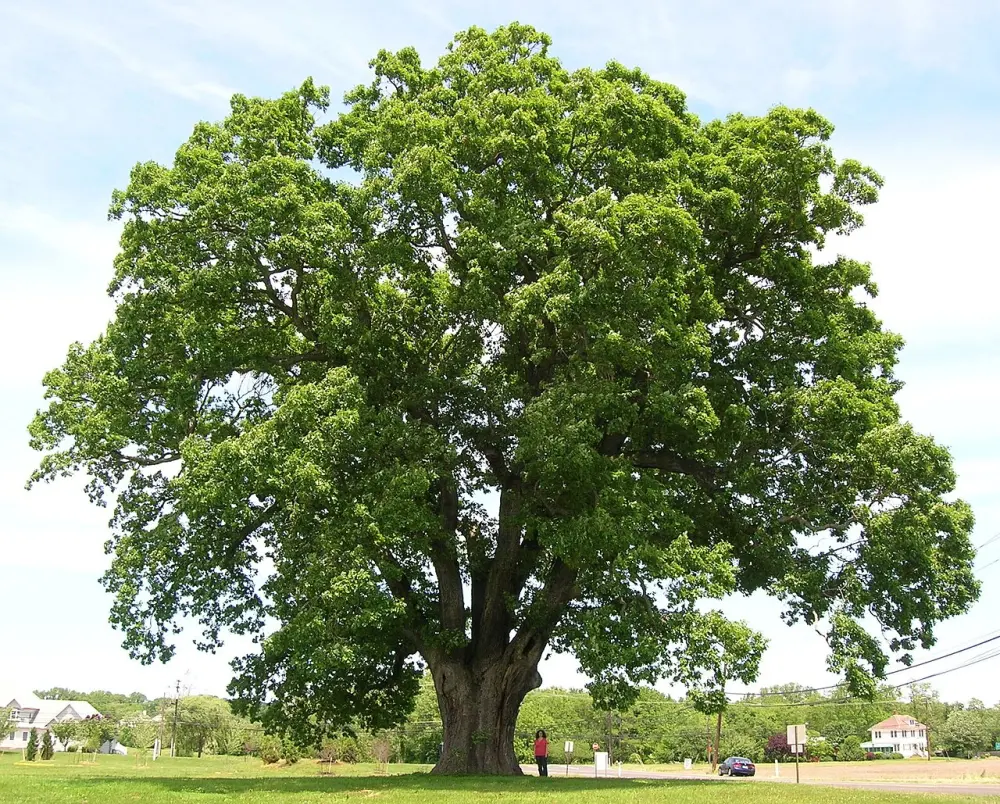
Fastigeous White Oak
5An upright form of white oak that brings white-oak character to narrower planting spaces.
Coverdale, Macdonough
Preventative work is the most common status
 species reference photo
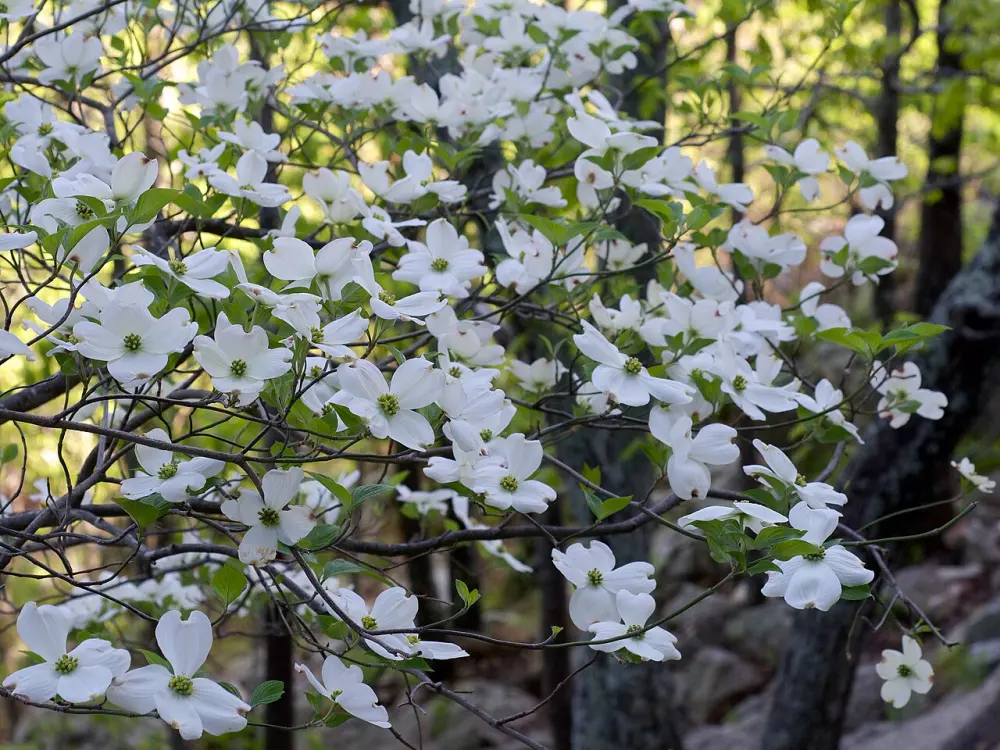
Flowering Dogwood
1A small native understory tree known for spring bracts, red fruit, and layered branching.
W 11th
Priority work is the most common status
 species reference photo
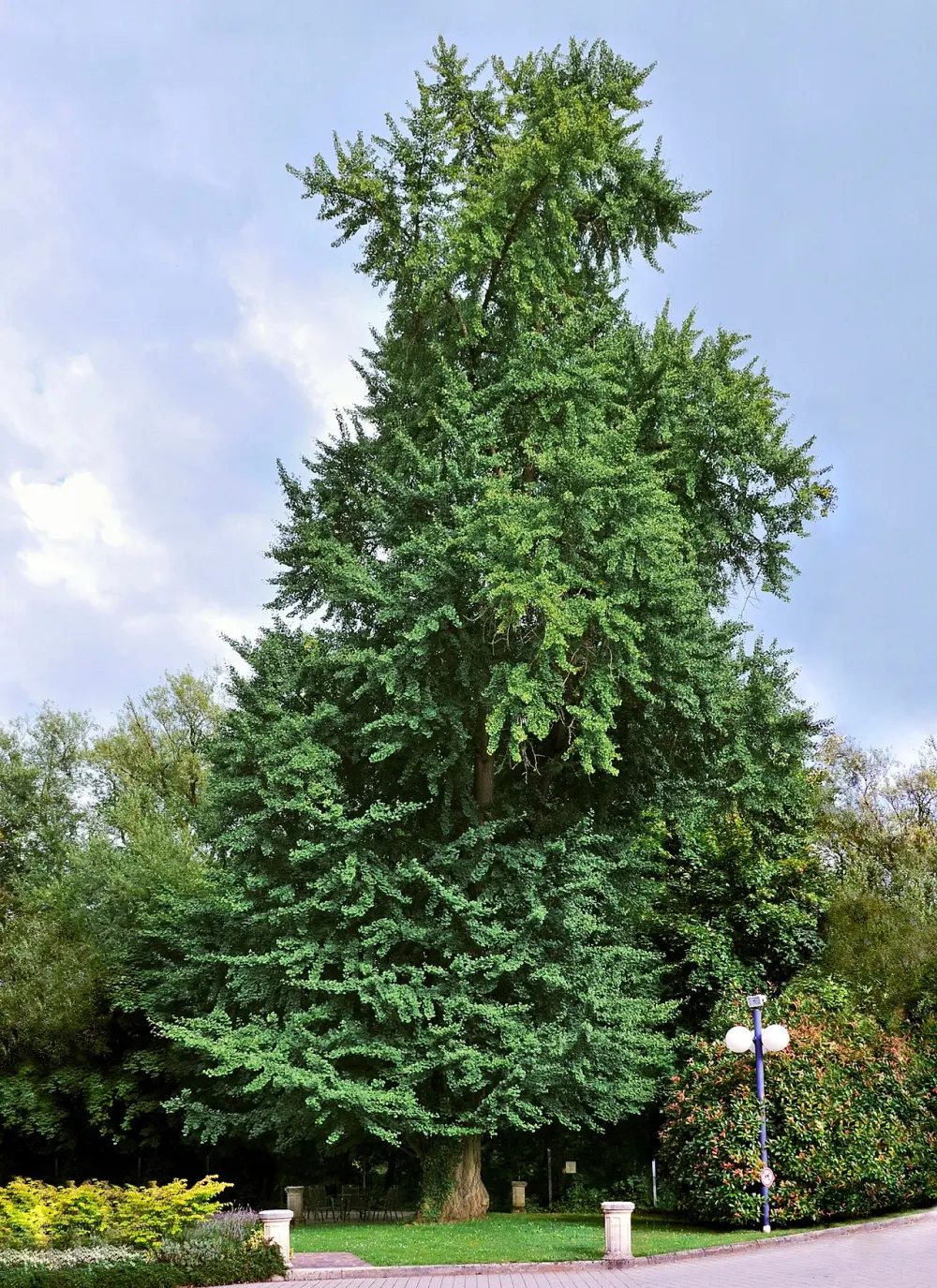
Ginko
4A distinctive, resilient street tree with fan-shaped leaves and clear yellow autumn color.
Blackshire, Crawford
Preventative work is the most common status
 species reference photo
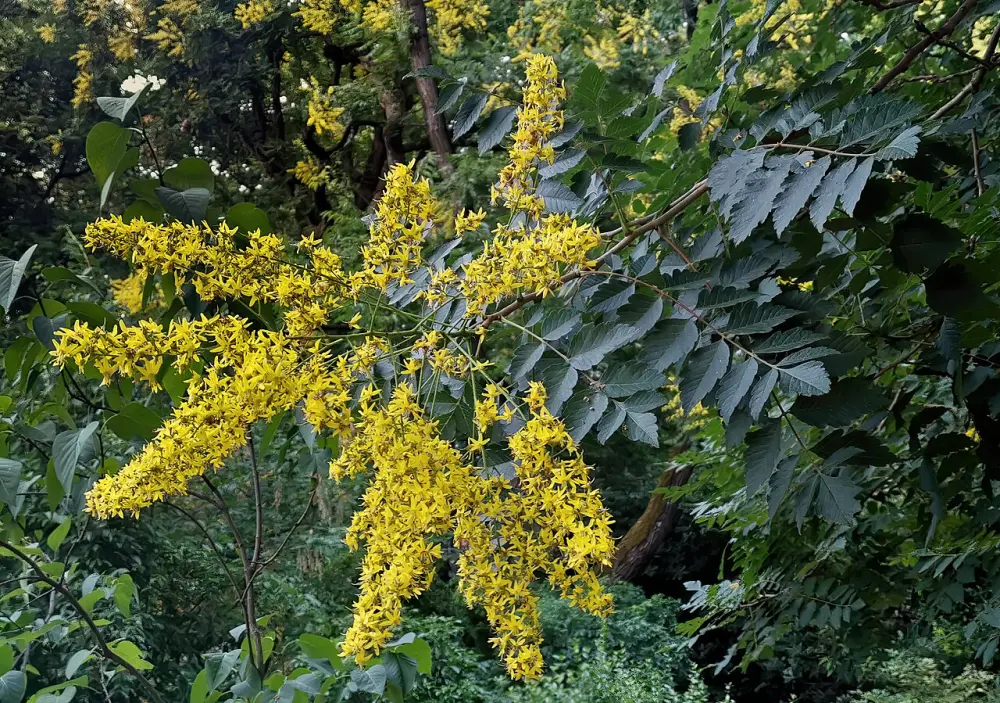
Golden Rain Tree
2A small-to-medium ornamental tree with summer flower clusters and papery seed capsules.
Blackshire
Routine maintenance is the most common status
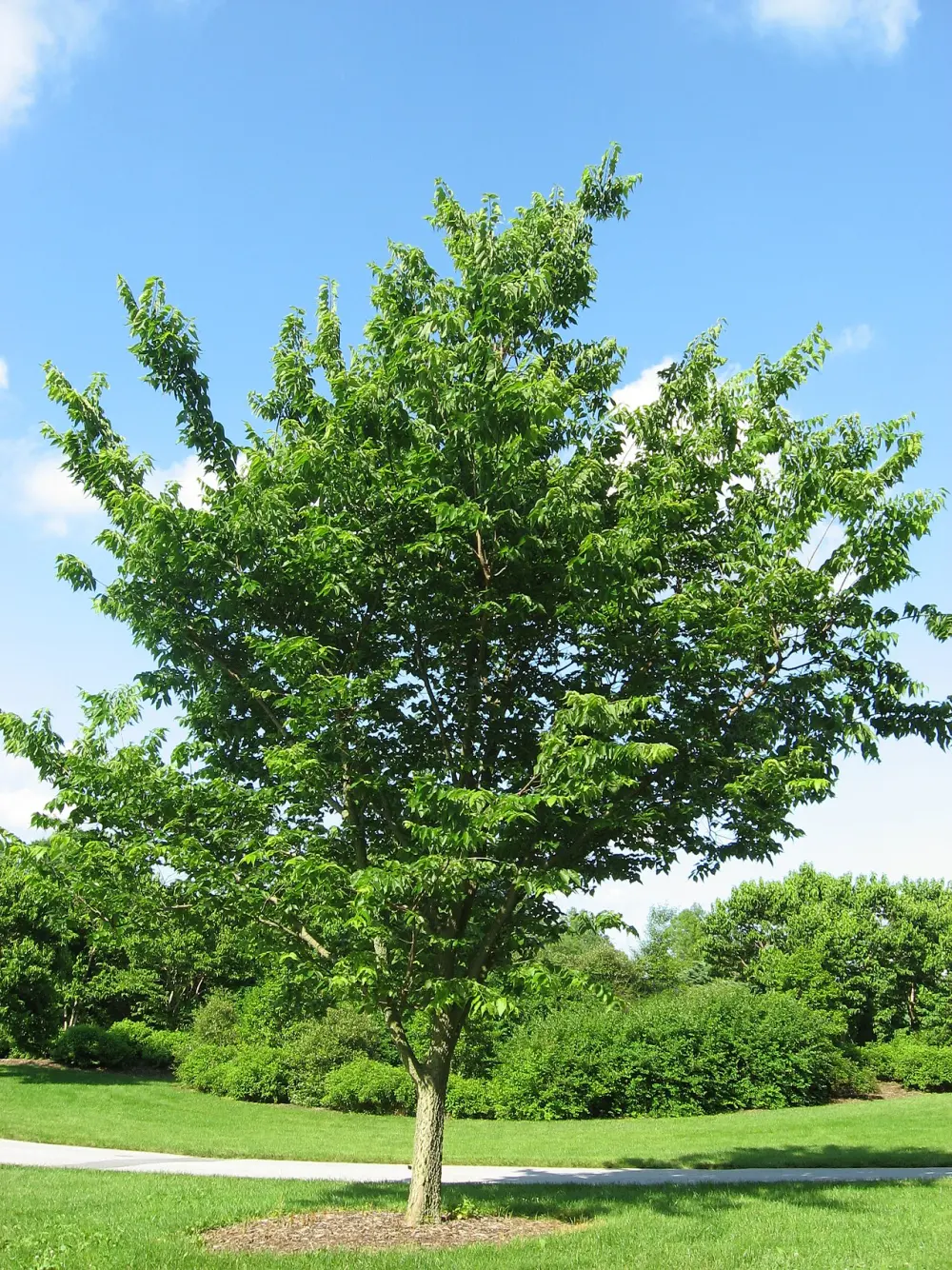 species reference photo
Hackberry
1A tough native shade tree that tolerates urban conditions and supports birds and insects.
Blackshire
No work prescribed is the most common status
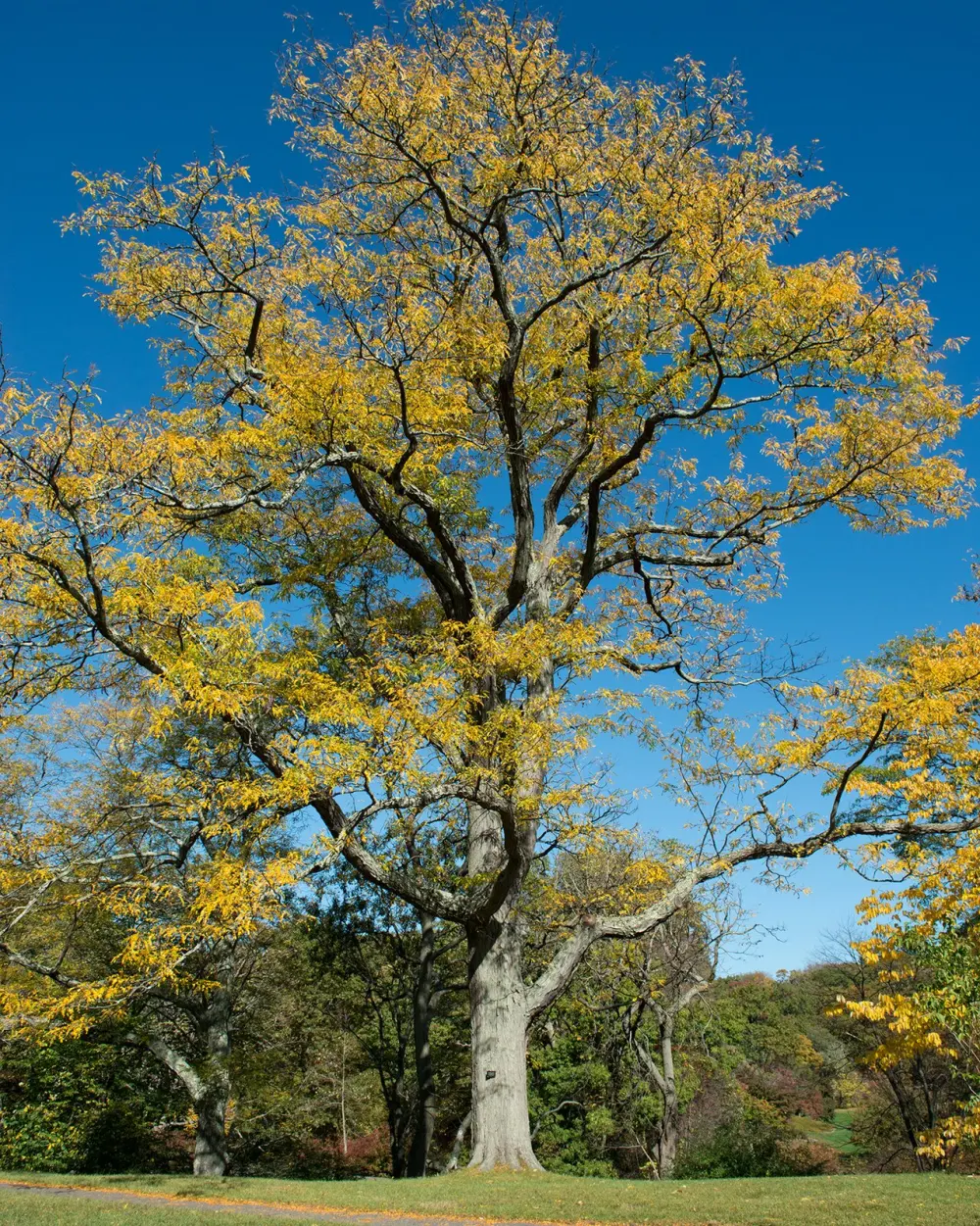 species reference photo
Honey Locust
1An airy-canopied shade tree whose small leaflets cast filtered light over streets and lawns.
Nottingham
No work prescribed is the most common status
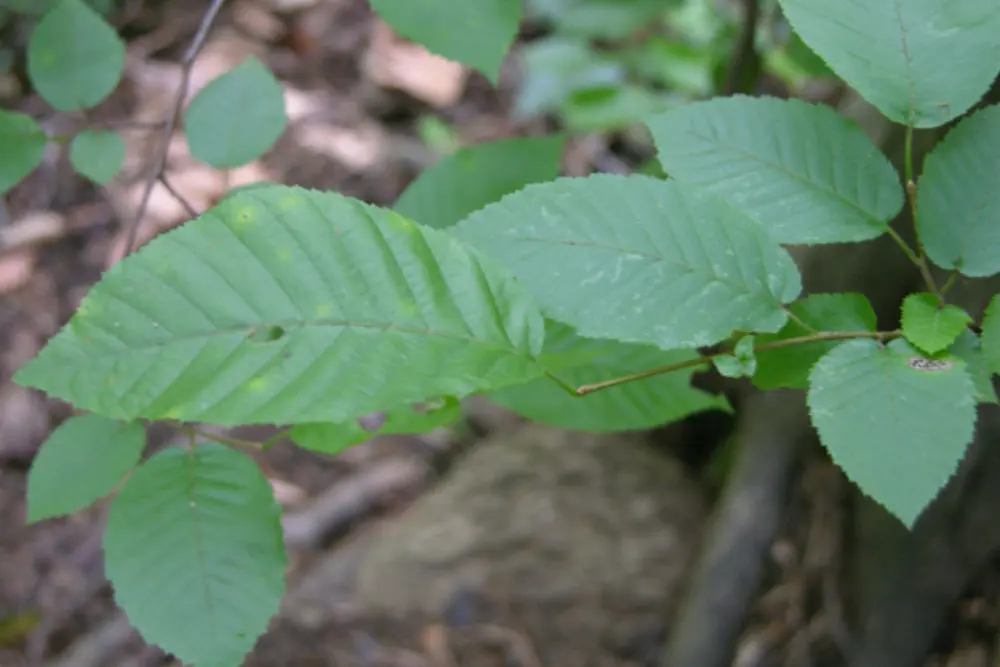 species reference photo
Hornbeam
8A small-to-medium tree with dense wood, finely toothed leaves, and a restrained canopy.
Coverdale, Nottingham, Seymoure
Routine maintenance is the most common status
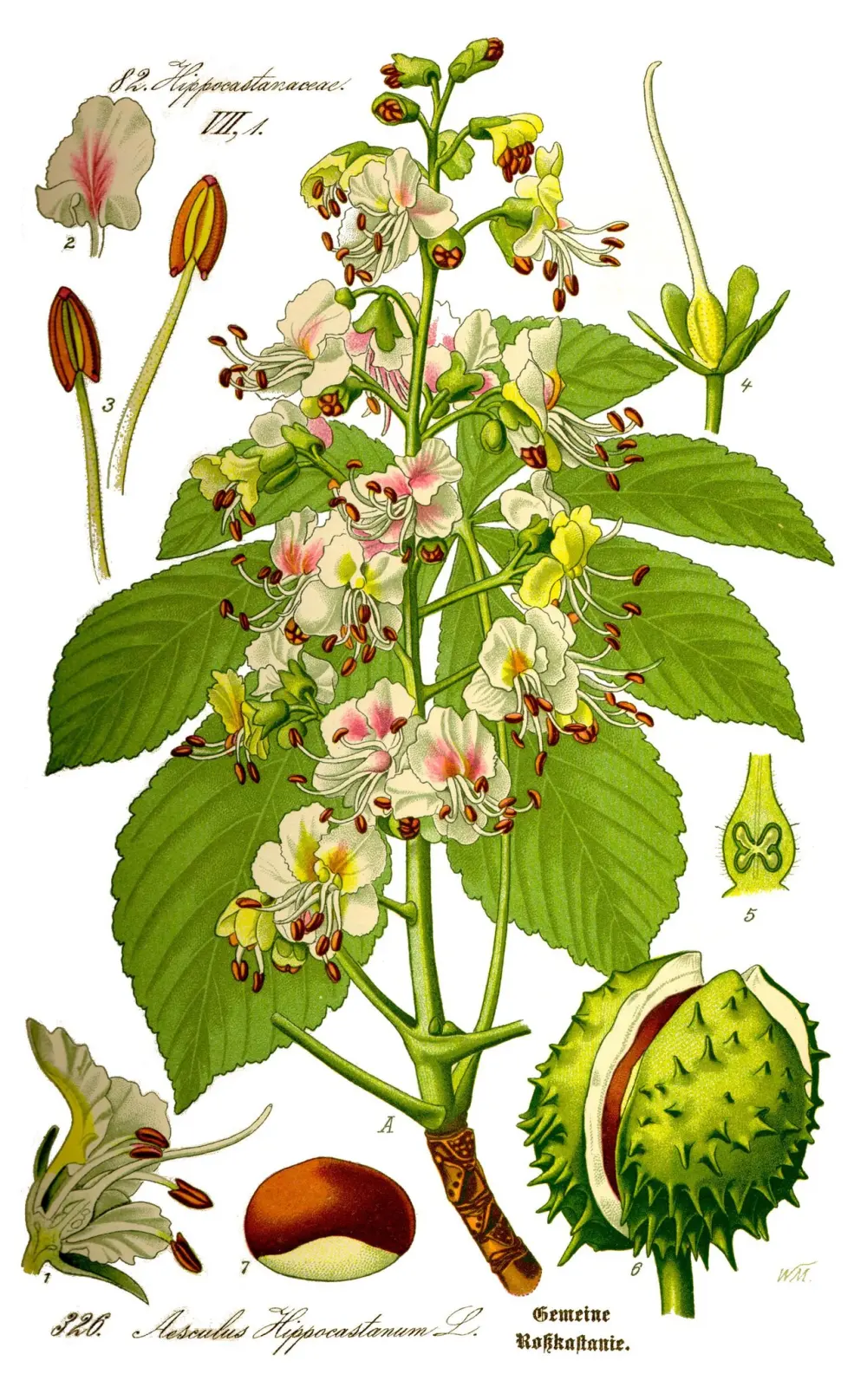 species reference photo
Horse Chestnut
1A broad ornamental tree with large palmate leaves and showy upright spring flowers.
W 11th
Routine maintenance is the most common status
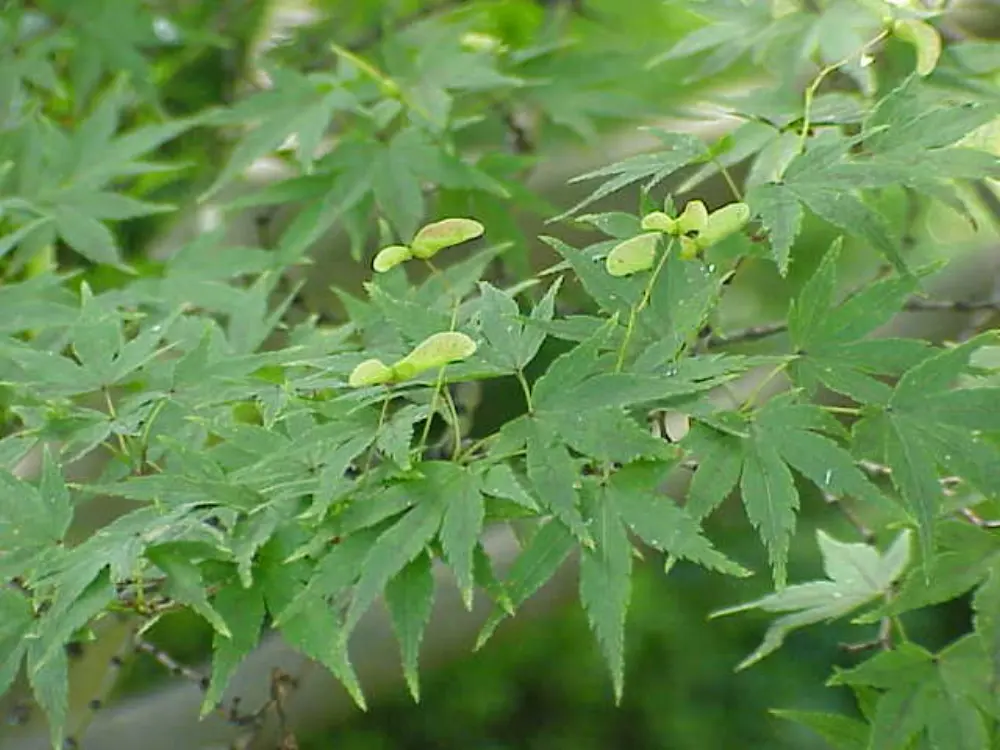 species reference photo
Japanese Maple
1A small ornamental maple prized for delicate foliage, branching form, and seasonal color.
W 11th
Routine maintenance is the most common status
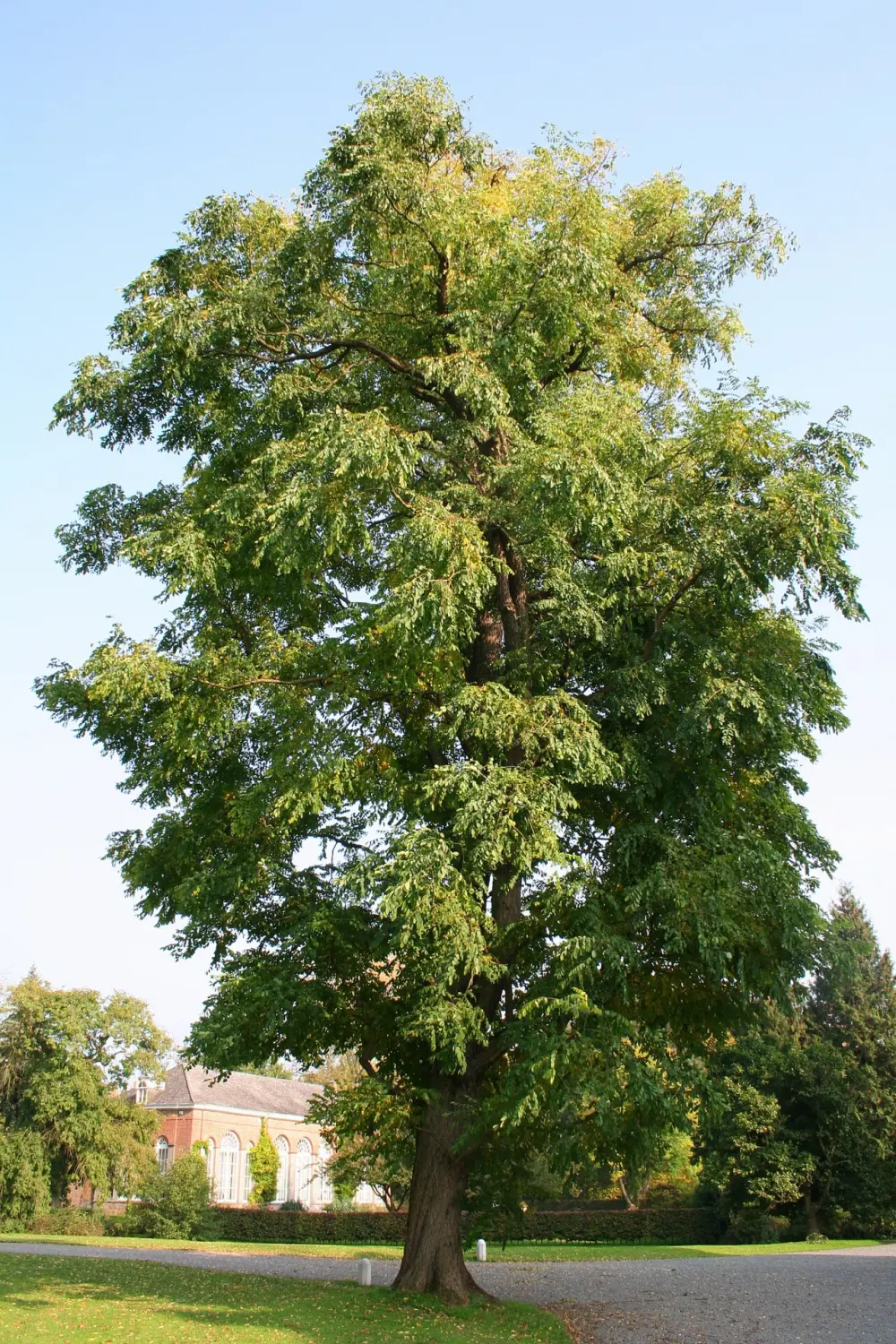 species reference photo
Kentucky Coffee
11A distinctive native shade tree with coarse branching and very large compound leaves.
Blackshire, Greenhill, Macdonough, Nottingham + 3 more
No work prescribed is the most common status
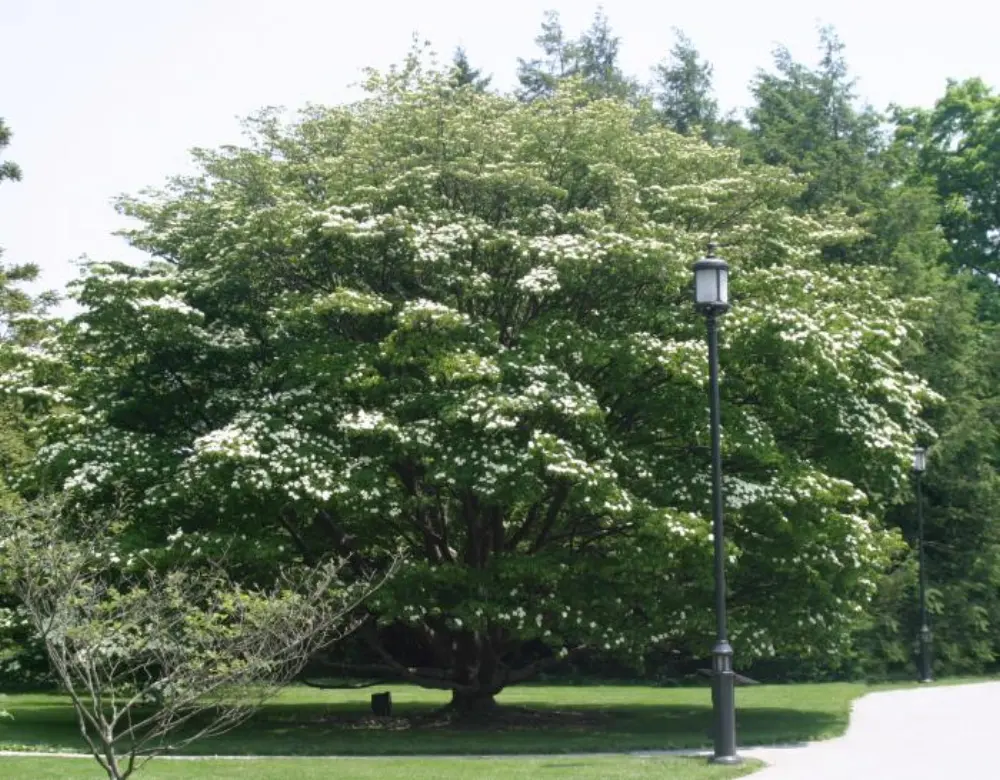 species reference photo
Kousa Dogwood
3A small flowering tree with layered branches, later spring bloom, and mottled mature bark.
W 11th
Routine maintenance is the most common status
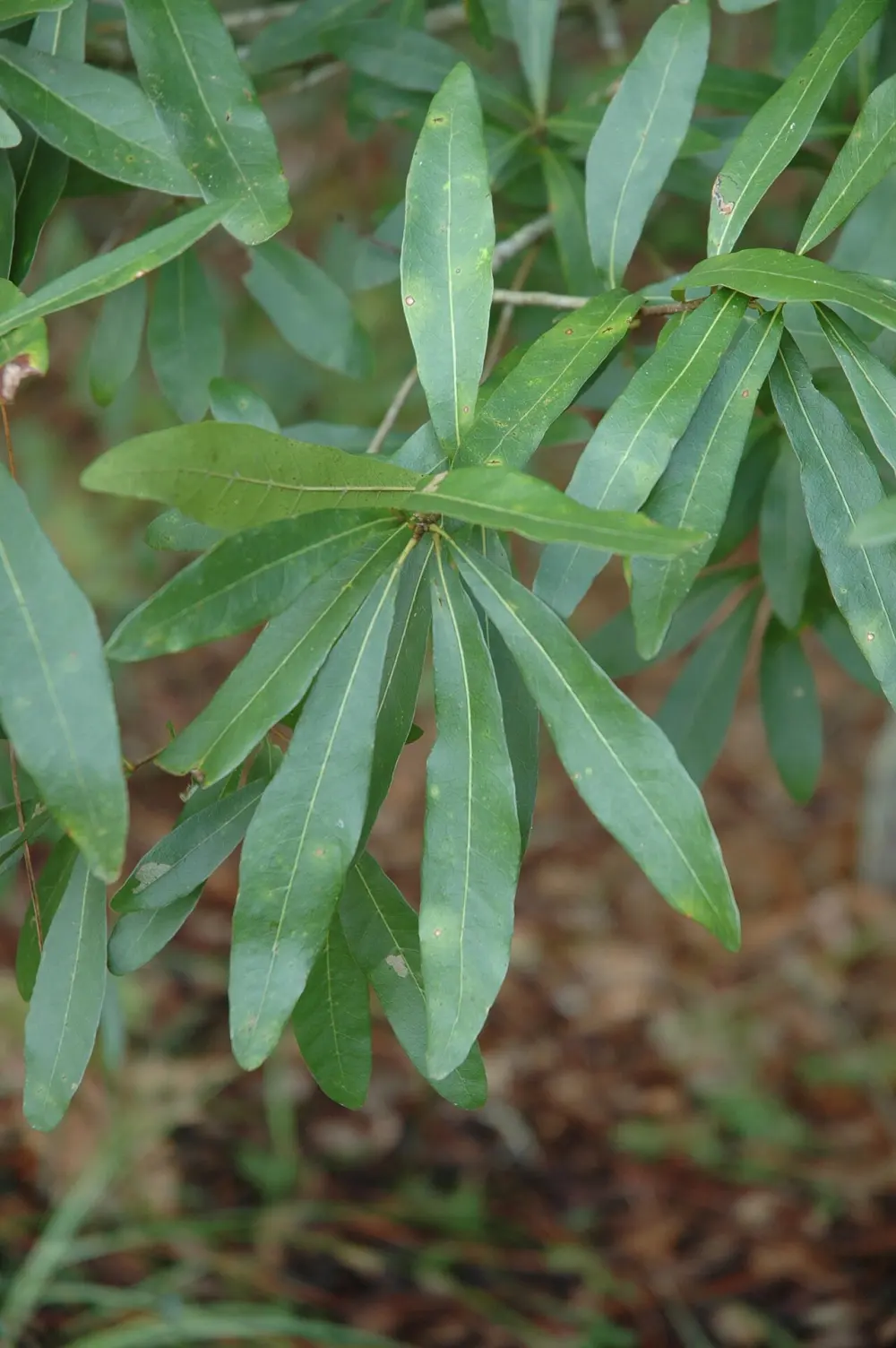 species reference photo
Laurel Oak
2A fast-growing oak with narrow, mostly unlobed leaves and a rounded evergreen-like canopy.
Nottingham
Routine maintenance is the most common status
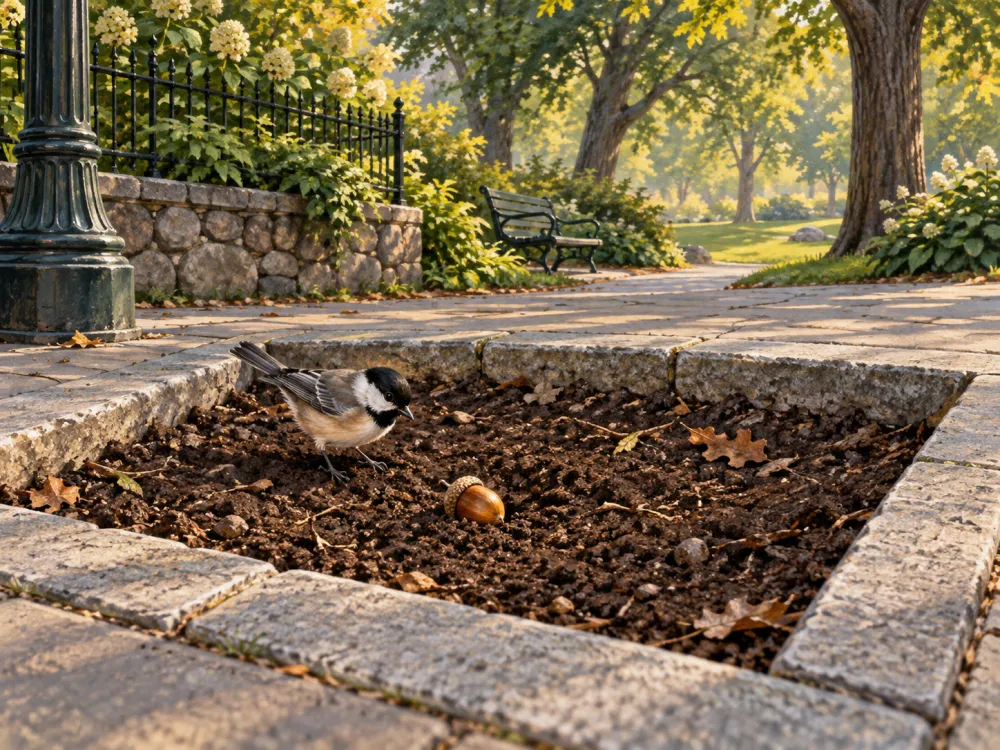 a future tree
Open Planting Pit
34A documented street-tree location that is currently open and available for a future planting.
Blackshire, Coverdale, Crawford, Greenhill + 5 more
Open planting pit is the most common status
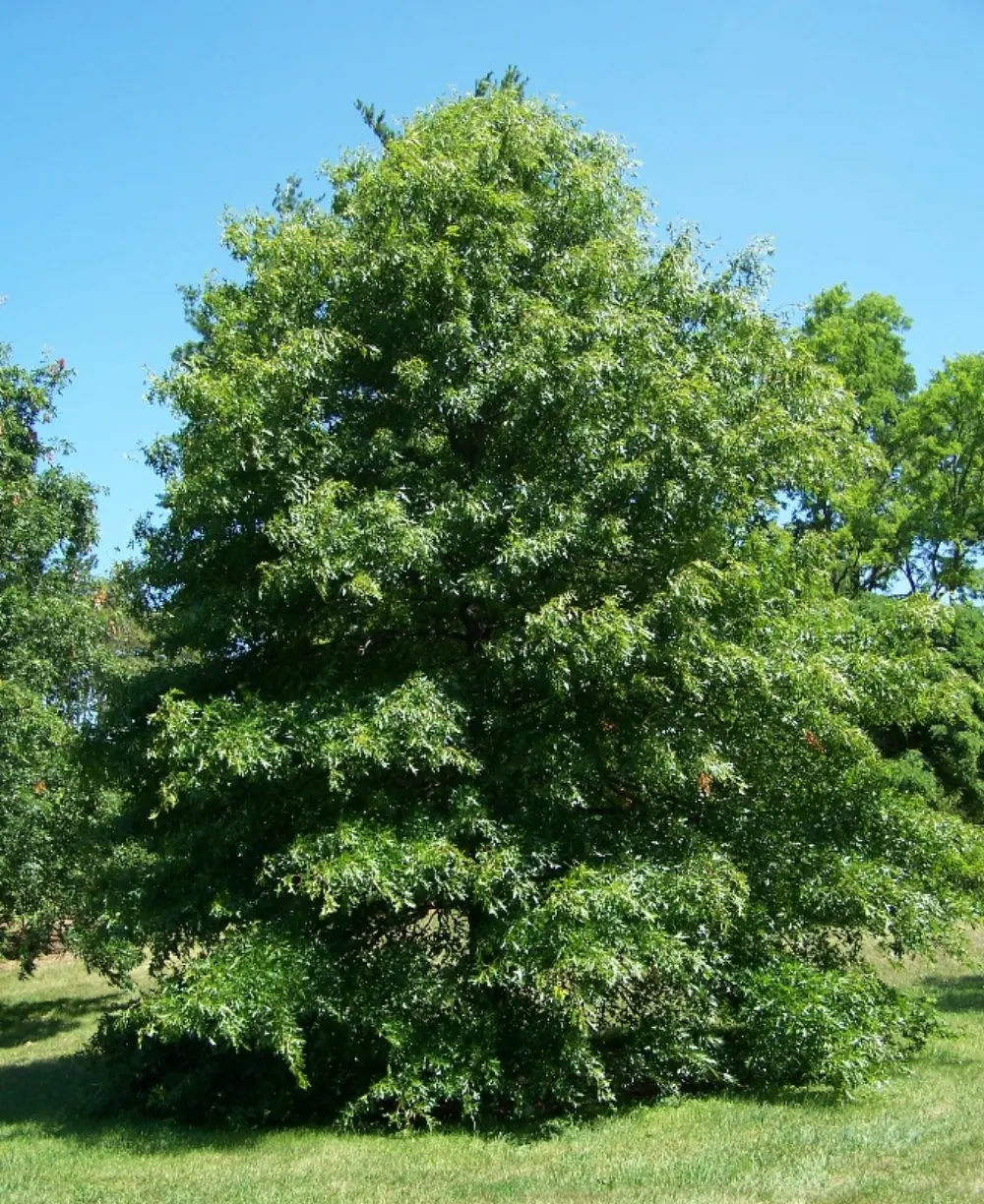 species reference photo
Pin Oak
4A red-oak-group tree with a strongly pyramidal youth form and distinctive drooping lower limbs.
Blackshire, Greenhill
Priority work is the most common status
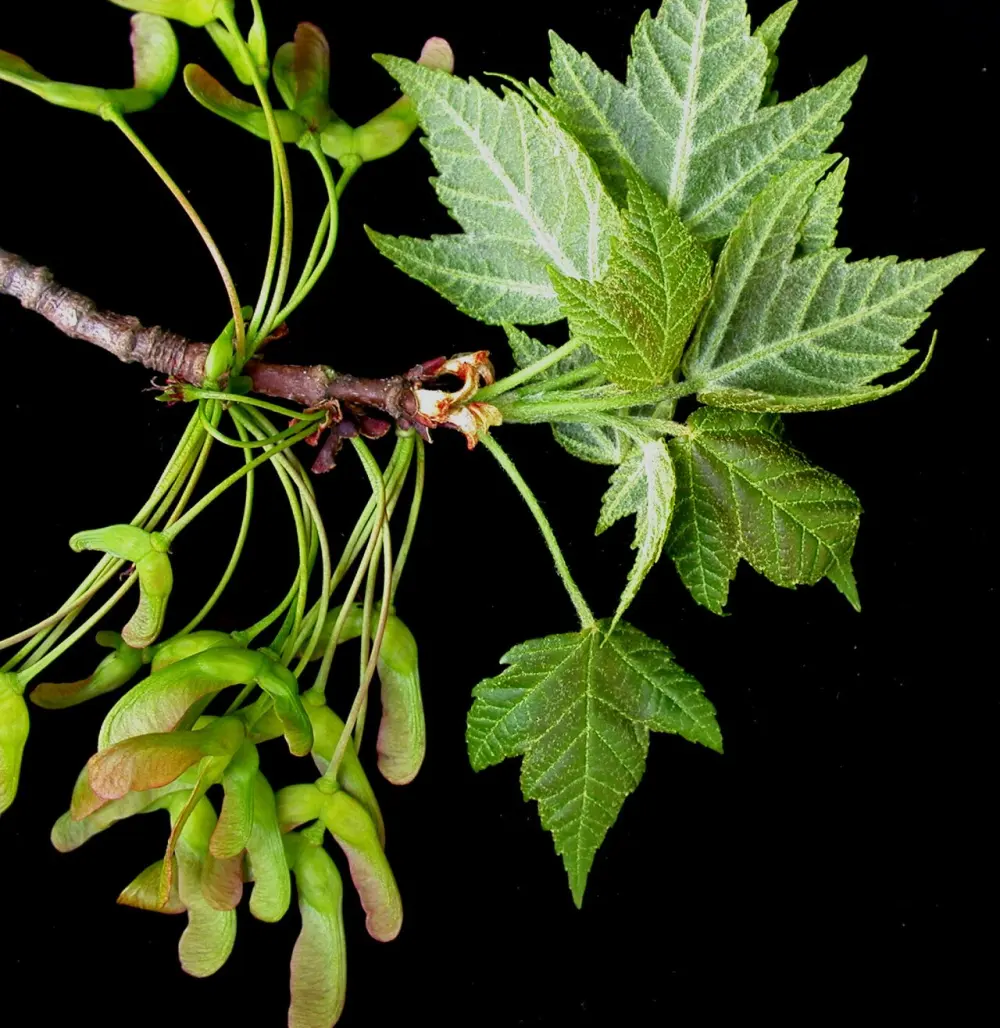 species reference photo
Red Maple
36A native maple common in wet and upland settings, known for red flowers, twigs, and fall color.
Bedford, Blackshire, Crawford, Macdonough + 5 more
Preventative work is the most common status
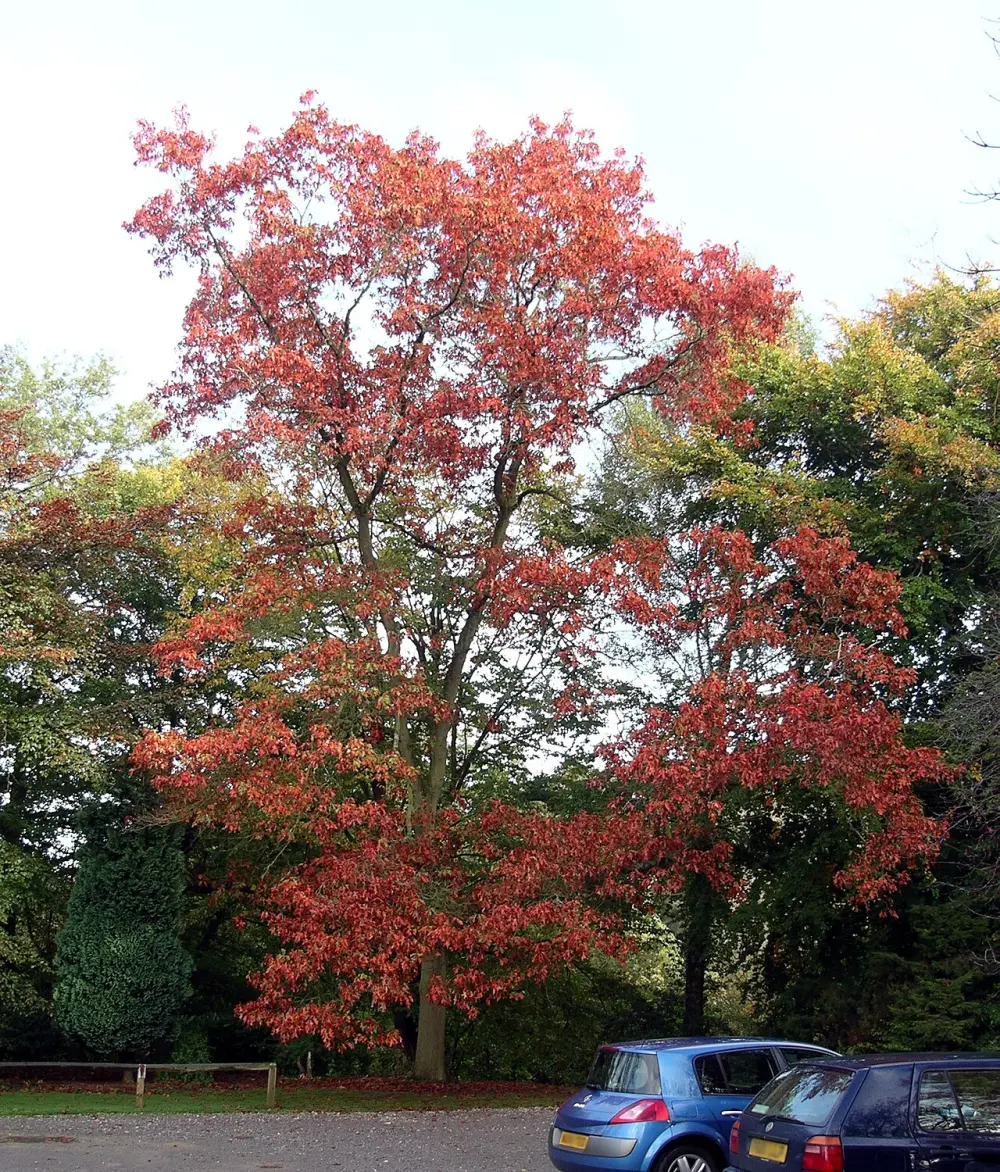 species reference photo
Red Oak
4A fast-growing native oak with pointed leaf lobes and a broad, high shade canopy.
Crawford, Nottingham, W 11th
No work prescribed is the most common status
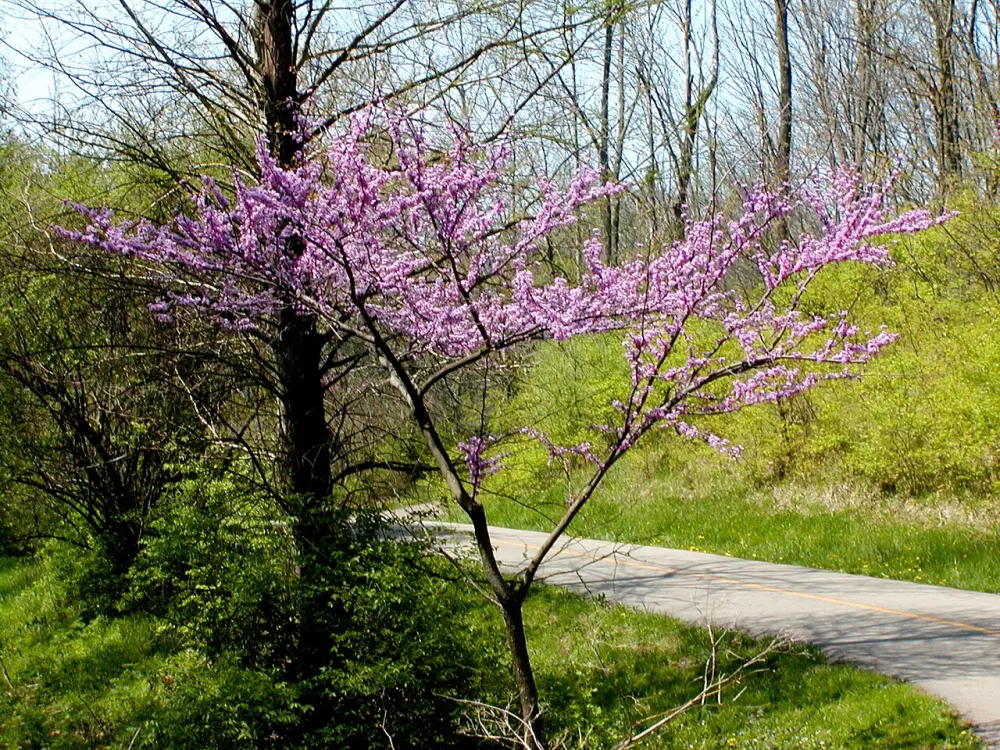 species reference photo
Redbud
10A small native understory tree covered with pink-purple flowers before its leaves emerge.
Palmer Sq, W 11th
No work prescribed is the most common status
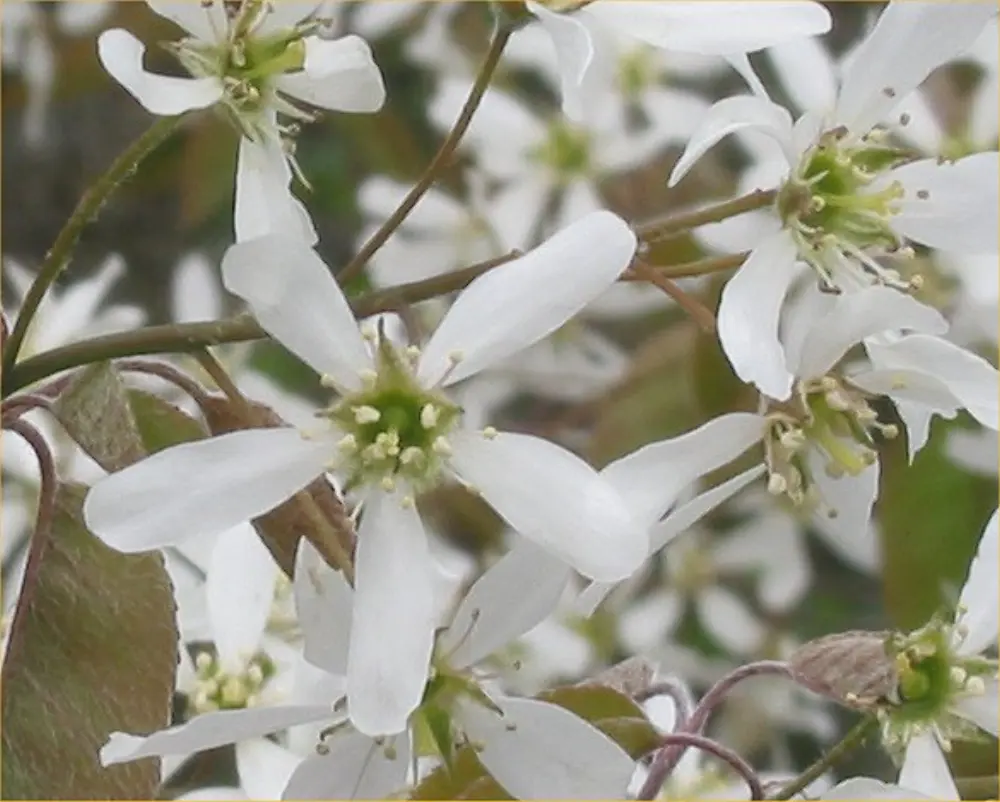 species reference photo
Serviceberry
1A small native tree with early white flowers, edible summer fruit, and strong fall color.
Coverdale
No work prescribed is the most common status
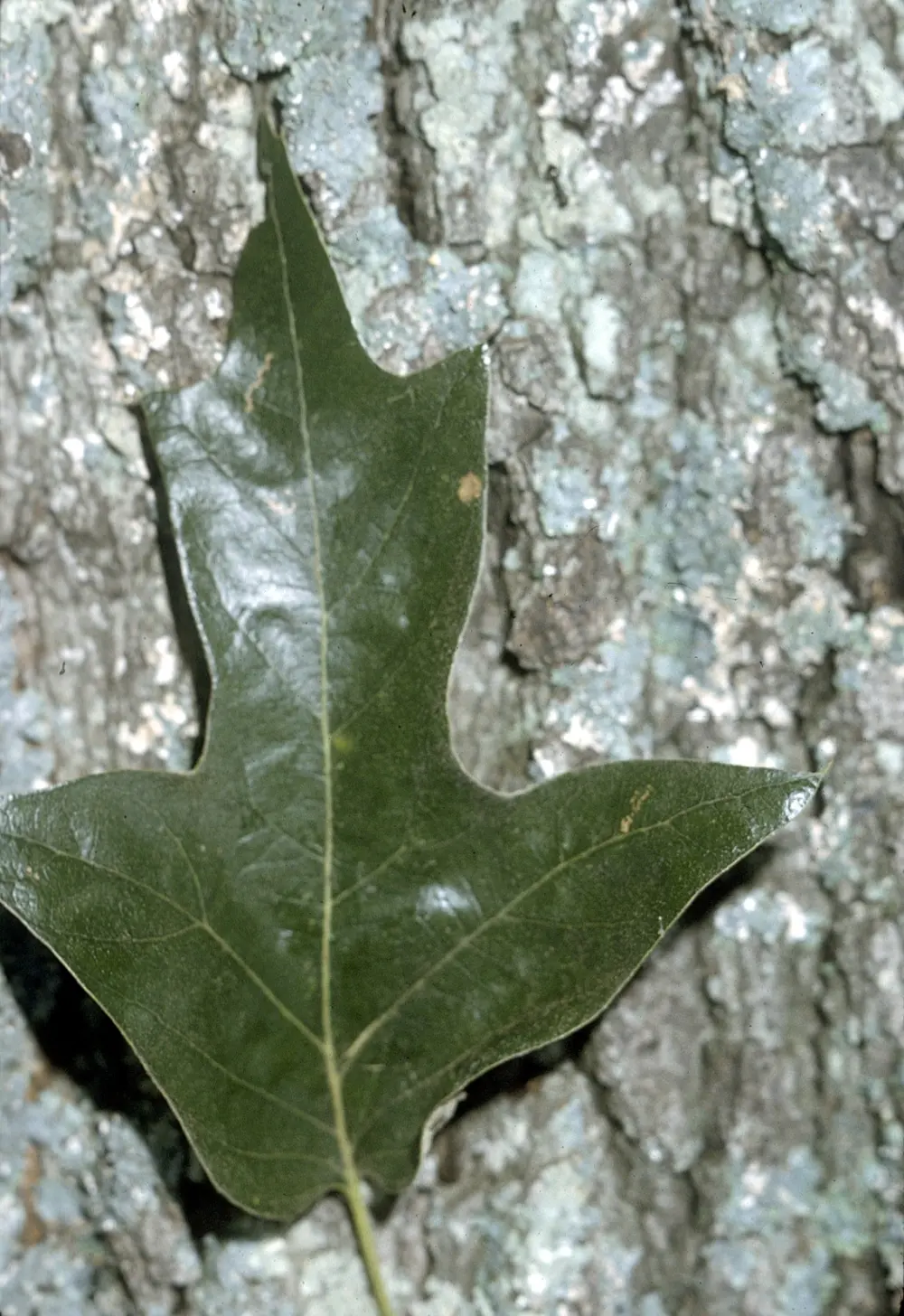 species reference photo
Southern Red Oak
1A large red-oak-group tree adapted to warm sites, with variable pointed-lobed leaves.
Macdonough
Priority work is the most common status
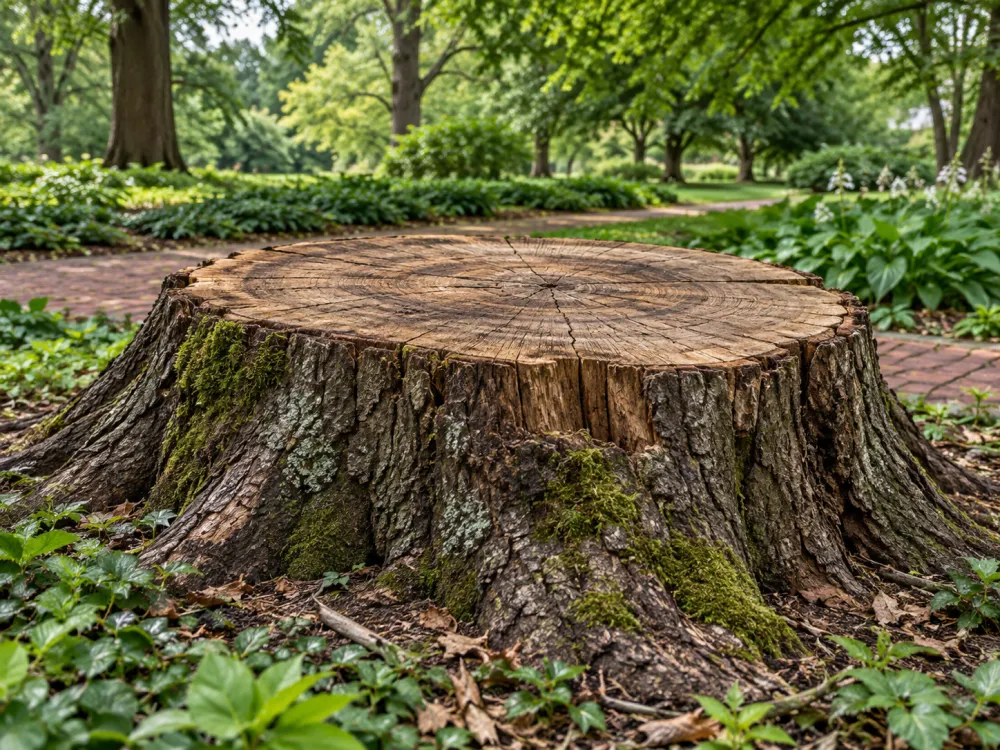 stump reference image
Stump
1A former tree location where the standing tree has been removed and a stump remains.
W 11th
No work prescribed is the most common status
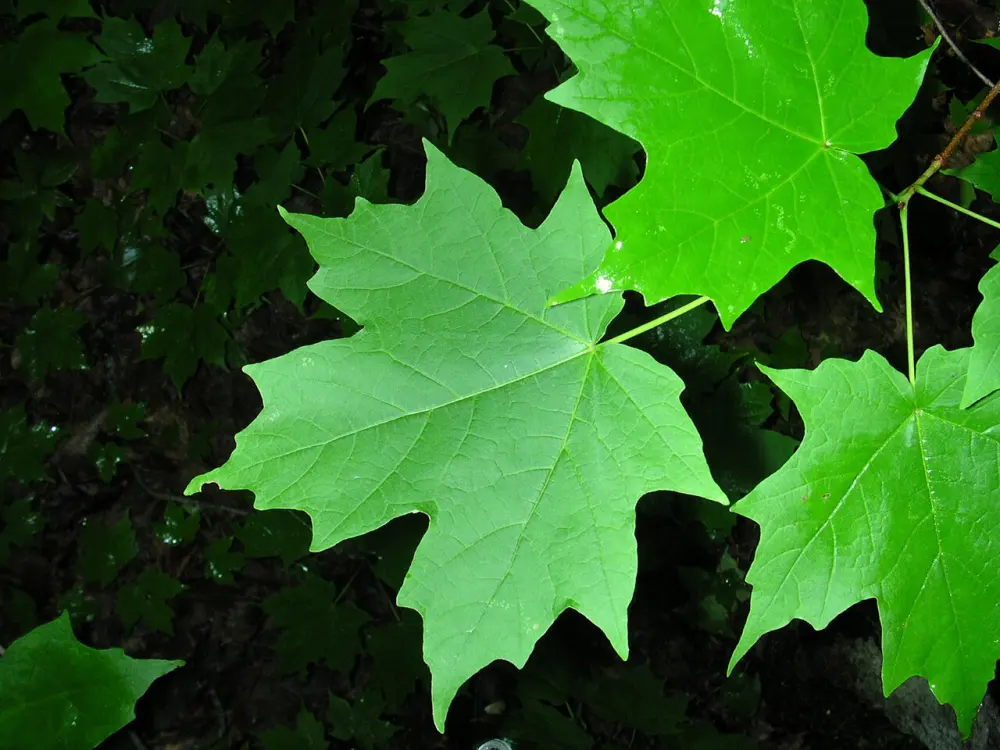 species reference photo
Sugar Maple
52A native shade tree known for dense crown, classic maple form, and vivid autumn foliage.
Bedford, Blackshire, Crawford, Macdonough + 3 more
No work prescribed is the most common status
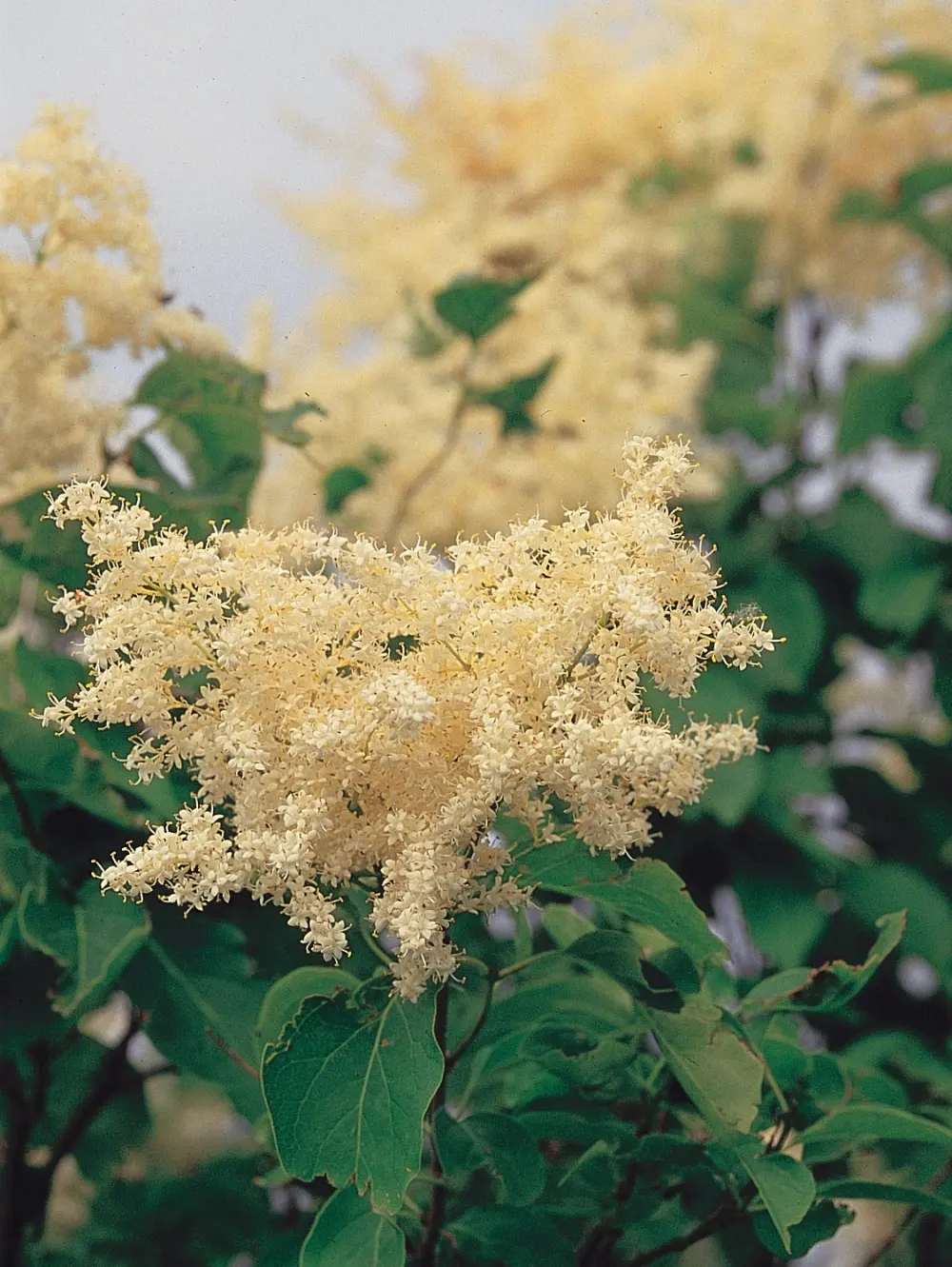 species reference photo
Tree Lilac
1A small ornamental tree with creamy early-summer flower clusters and a rounded crown.
Coverdale
No work prescribed is the most common status
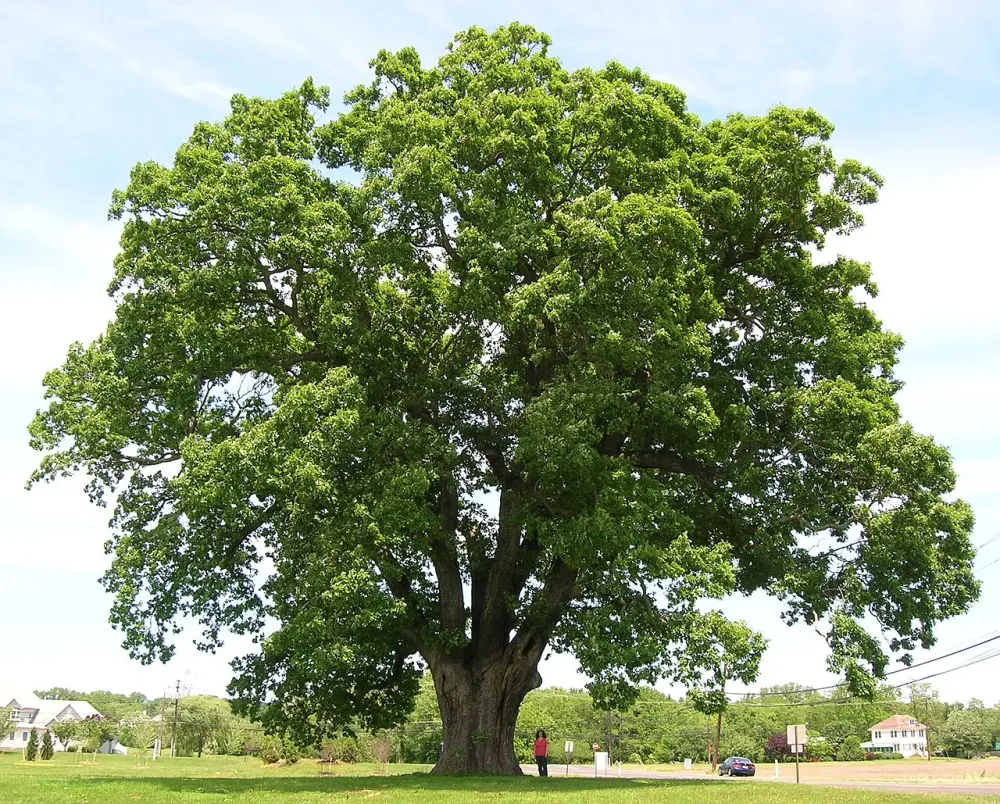 species reference photo
White Oak
10A long-lived native oak with rounded leaf lobes and exceptional ecological value.
Blackshire, Macdonough, Nottingham, Ridgway + 2 more
No work prescribed is the most common status
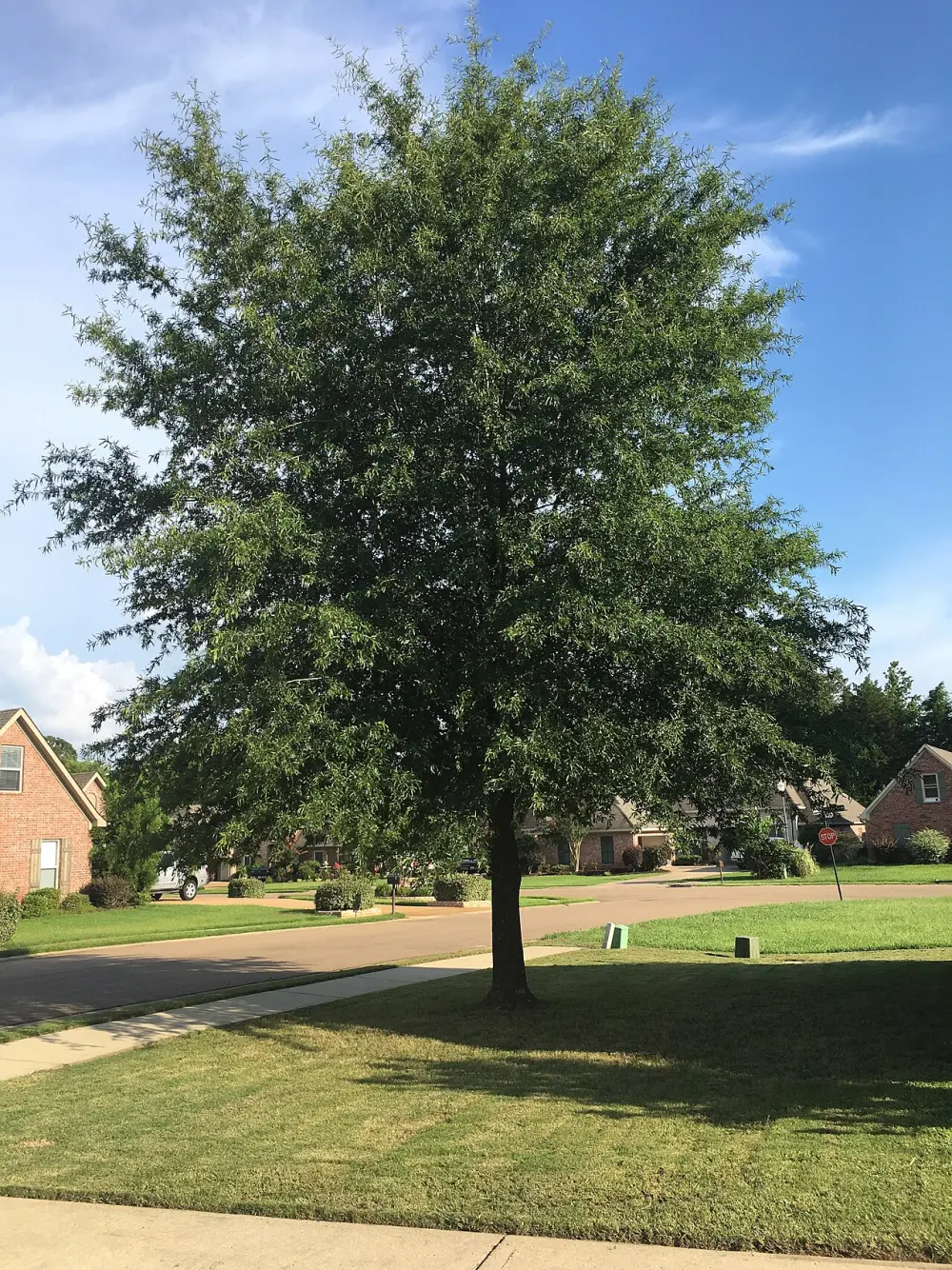 species reference photo
Willow Oak
109A red-oak-group shade tree with slender willow-like leaves, widely planted throughout Wawaset.
Bedford, Blackshire, Coverdale, Crawford + 6 more
Priority work is the most common status
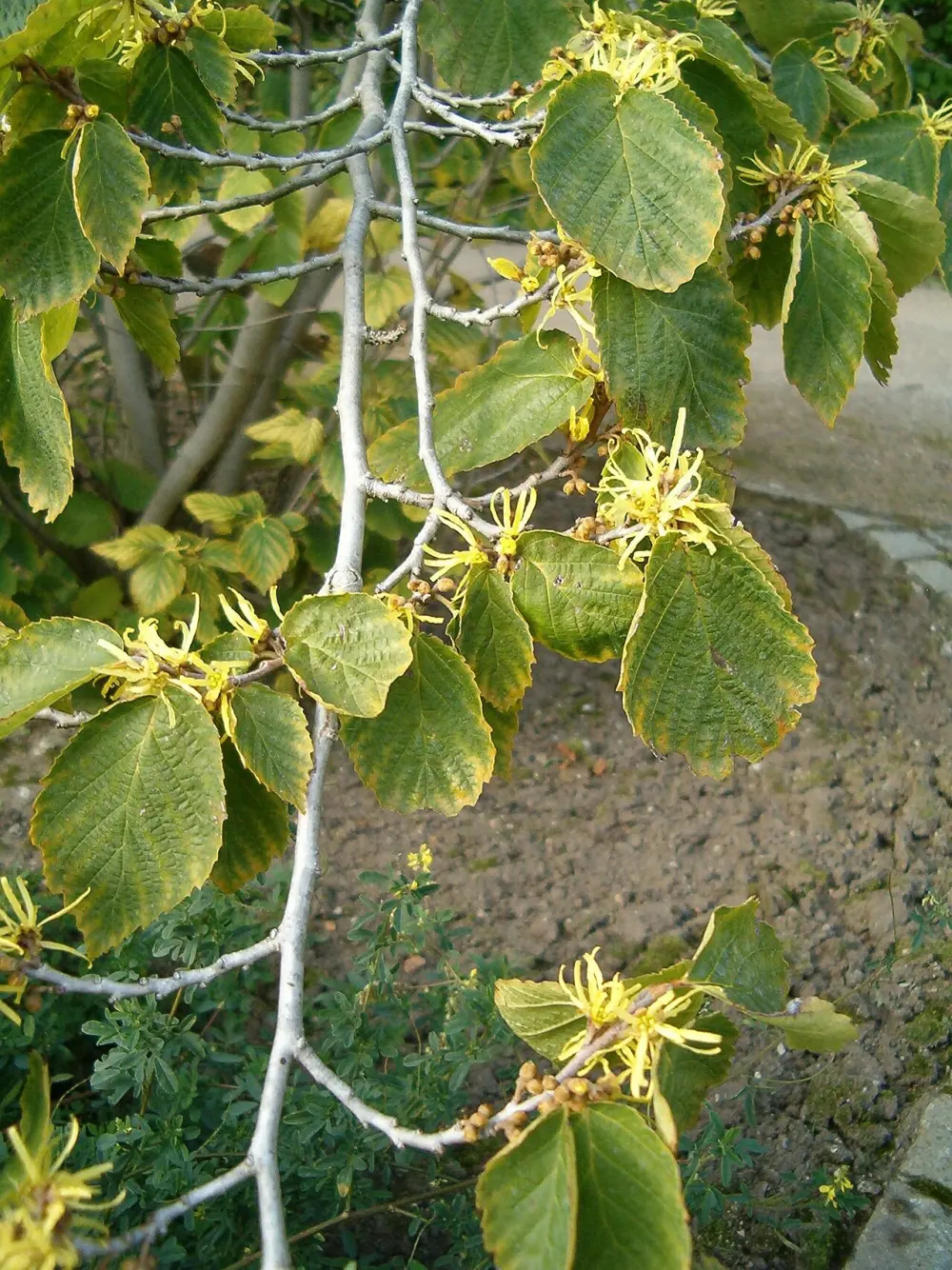 species reference photo
Witch Hazel
4A small native tree or large shrub known for ribbon-like flowers that appear unusually late in the year.
W 11th
No work prescribed is the most common status
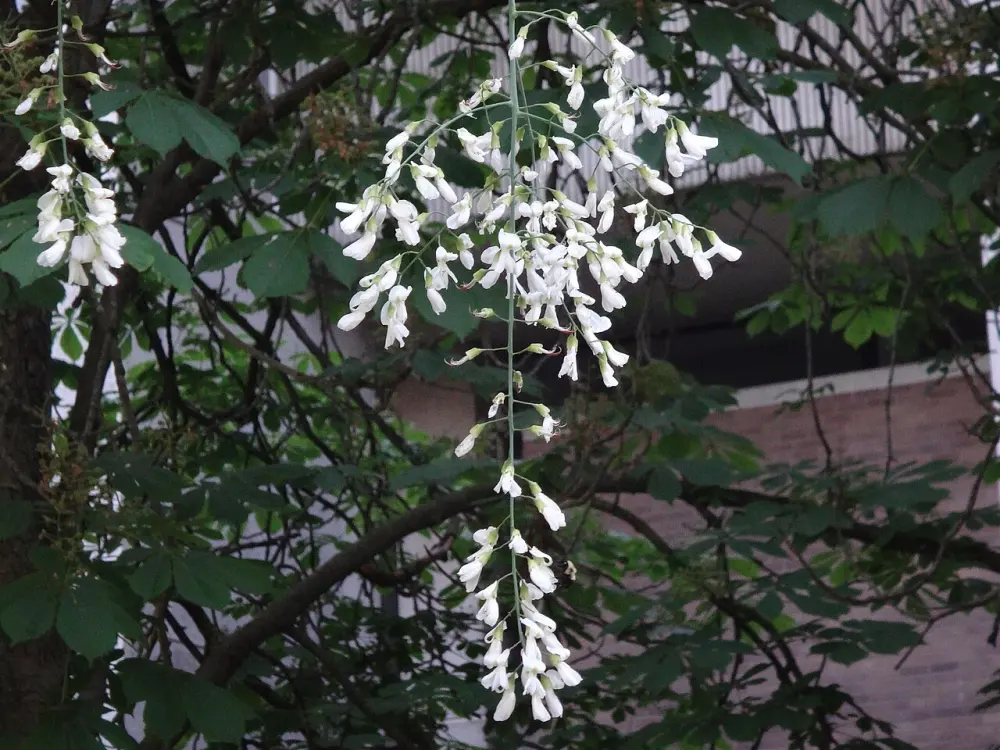 species reference photo
Yellowwood
2A medium native tree with smooth gray bark and hanging clusters of white flowers.
Blackshire, Coverdale
No work prescribed is the most common status
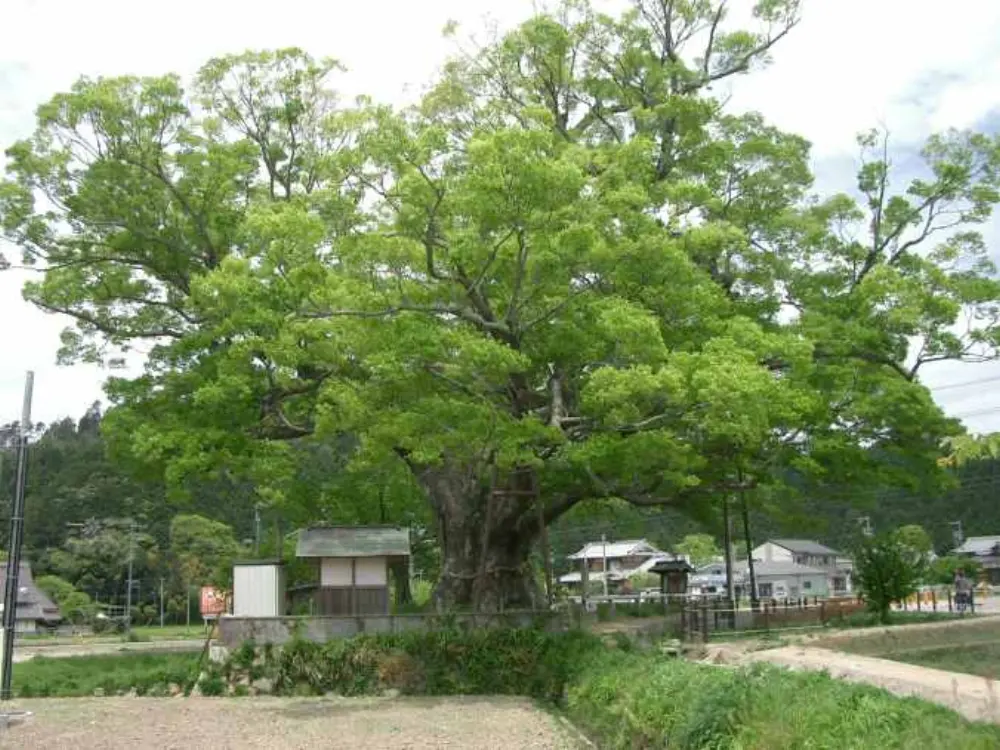 species reference photo
Zelkova
68A vase-shaped street tree often used as an elm substitute, with small serrated leaves.
Bedford, Blackshire, Coverdale, Crawford + 5 more
Priority work is the most common status
Living-tree reference photos are openly licensed images from Wikimedia Commons. Photographer and license details appear on each tree-type page; the planting-pit and stump images were created for this register.